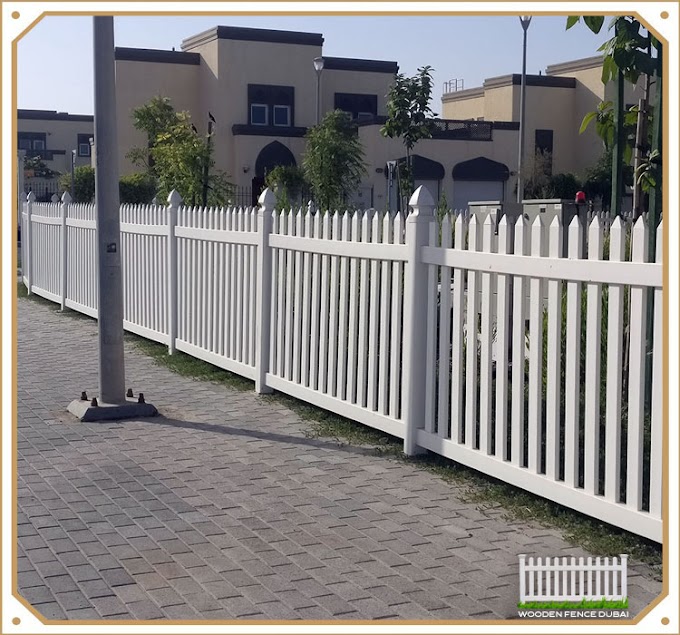
A garden fence plays an important role in shaping the look and feel of any outdoor space. In Dubai, where gardens are often designed as private relaxation areas, the right fencing helps create structure, privacy, and visual balance. Beyond marking boundaries, a well-chosen fence can highlight landscaping, support plants, and bring the entire garden design together. This guide explores practical fencing options and ideas suited for garden spaces.
Why a Garden Fence Is a Smart Choice
Installing a garden fence offers both visual and practical benefits. It helps create privacy, especially in residential areas where homes are close to one another. Clear boundaries also reduce confusion between neighboring plots while adding a sense of order to the landscape.
From a design point of view, fencing adds character and frames plants, walkways, and seating areas beautifully. Many homeowners also use fences as support structures for climbing plants, allowing greenery to grow vertically and naturally.
Popular Garden Fence Options
There are several materials commonly used for garden fencing, each with its own appeal.
Wood is widely chosen for its warm and natural appearance. A wooden garden fence blends easily with plants and outdoor furniture and can be painted or finished to match the home’s exterior.
Metal fencing offers durability and a more structured look. It is often selected for decorative purposes while still maintaining strength.
Vinyl fencing is a low-maintenance option for those who want a clean look without frequent upkeep.
Natural materials like bamboo or willow are preferred by homeowners looking for an eco-friendly and relaxed garden atmosphere.
For larger outdoor boundaries, many people combine garden fencing with stronger wooden boundary solutions to maintain consistency across the property.
Keeping Your Garden Fence in Good Condition
Regular care helps maintain both appearance and strength. Protective coatings reduce damage from moisture and sunlight. Loose fixings should be tightened, and damaged posts should be repaired early to avoid bigger issues.
Simple cleaning prevents dirt buildup and keeps the fence looking fresh throughout the year. Repainting or refinishing when needed also extends its lifespan.
DIY Installation Basics
Homeowners who enjoy hands-on projects may choose to install fencing themselves. Planning is essential before starting. Measuring accurately, preparing tools in advance, and following installation instructions carefully help avoid costly mistakes.
For more decorative garden areas, lighter fencing styles are often easier to install and adjust.
Adding Decorative Touches
A garden fence can also become a design feature. Climbing plants such as jasmine or ivy soften wooden surfaces. Decorative panels add artistic detail, while lighting creates a warm atmosphere in the evening. Small accessories like planters or ornaments can further personalize the space.
For front or decorative garden sections, homeowners often choose picket fence designs that add charm while maintaining an open and welcoming look.
Conclusion
A garden fence is more than a simple boundary—it helps define outdoor spaces and enhances overall design. With the right material, placement, and care, fencing can become a lasting and attractive feature in any garden. Whether your focus is privacy, decoration, or plant support, choosing the right fence will elevate your outdoor space and make it more enjoyable year-round.
 |
| Garden Fence |
 |
| Natural Garden Fence |
 |
| Garden Fence Design |
 |
| Garden Fence in Dubai |
 |
| The white-painted garden fence |
 |
| Garden Fence |
 |
| Wooden Gate |
 |
| Garden Fence With Gate |