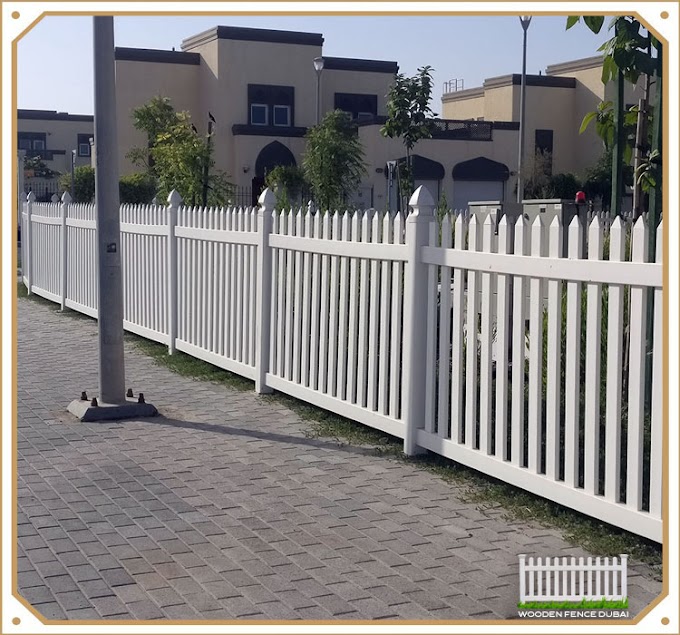
A wood fence is one of the most popular choices for homeowners who want privacy, safety, and a natural look around their property. It blends easily with gardens, villas, and commercial spaces, making outdoor areas feel complete and well-defined. Over time, fencing styles have evolved, but wood continues to remain a trusted option because it is strong, flexible in design, and visually appealing. Whether you are upgrading an old boundary or planning a new outdoor layout, this guide will help you understand everything you need to know before making a decision.
Overview of Wooden Fencing Styles
There are many styles available, each serving a different purpose and design preference. Some homeowners prefer simple and open designs, while others look for full privacy.
Traditional picket-style fences are often used in front yards to create a welcoming feel without blocking the view. Privacy-focused designs use closely placed boards and are ideal for villas and residential compounds. Rail-based fencing works well for larger plots and outdoor landscapes where boundaries need to be marked without closing off the area completely. For those who prefer a cleaner and more updated look, modern designs with straight lines and smooth finishes are commonly chosen for contemporary homes.
 |
| Wood fence |
Choosing the Right Wood
The type of wood affects durability, appearance, and maintenance:
- Cedar – Naturally resistant to insects and moisture; excellent for outdoor conditions.
- Redwood – Rich appearance and long lifespan, usually higher cost.
- Treated Wood – Budget-friendly and designed for outdoor exposure with proper maintenance.
Tip: Choose based on budget, desired aesthetic, and maintenance willingness.
Design and Installation Considerations
Good planning ensures the fence lasts longer and performs well. Before installation, property boundaries should be clearly identified to avoid future issues. The layout, height, and spacing should match both functional needs and local regulations.
Proper post installation is especially important, as it provides strength and stability. Using quality fixings and ensuring correct alignment helps the fence handle weather changes and daily use without issues.
Location and Size Planning
The purpose of the fence should guide its size and placement. For privacy, taller panels work best, while decorative fencing is often kept lower. The surrounding landscape, existing pathways, and access points should also be considered.
This makes it an ideal choice for homeowners looking for a durable and stylish garden fence that blends seamlessly with outdoor landscaping.
Benefits for Residential Properties
A wood fence improves the overall appearance of a home while offering privacy and security. It acts as a clear boundary, helping reduce noise and unwanted access. Wood is also easy to customize, allowing homeowners to choose finishes that match their exterior design.
From an environmental point of view, responsibly sourced wood remains a preferred option for those who want a natural material without heavy industrial processing.
Ensuring Long-Term Durability
Durability depends on both material choice and care. Applying protective coatings helps reduce damage from sun and moisture. Regular checks allow small issues to be fixed early before they turn into costly repairs.
Keeping the area around the fence clean and free from excess moisture also plays an important role in extending its lifespan.
Maintenance Tips
Basic maintenance keeps the fence looking clean and strong throughout the year:
- Remove dirt and debris regularly
- Reapply protective finishes when needed
- Check for loose boards or fixings
- Trim nearby plants to avoid moisture buildup
With consistent care, a wood fence can remain in good condition for many years.
Cost Factors to Consider
The overall cost depends on the type of wood, fence size, design complexity, and installation method. While professional installation may increase upfront expenses, it often ensures better alignment and durability. Maintenance costs should also be considered as part of long-term planning.
Conclusion
A wood fence remains a reliable and attractive solution for defining outdoor spaces. Its natural look, flexibility in design, and practical benefits make it suitable for a wide range of residential and commercial projects. When planned and installed correctly, it adds long-term value and enhances the overall environment of a property.
For homeowners looking to enhance their outdoor spaces further, you may also explore a natural fence that complements a wood fence and creates a seamless, eco-friendly boundary.
 |
| Modern wood fence |
 |
| Creative Fence |
 |
| Pine Wood Fence |
 |
| Meranti Wood Fence |
 |
| Natural Wood Fence |